
Cape Town’s Historic Lighthouses, Privately Guided
The Illuminating History of Lighthouse Oils:
From Sperm Whales to Fat-tailed Sheep
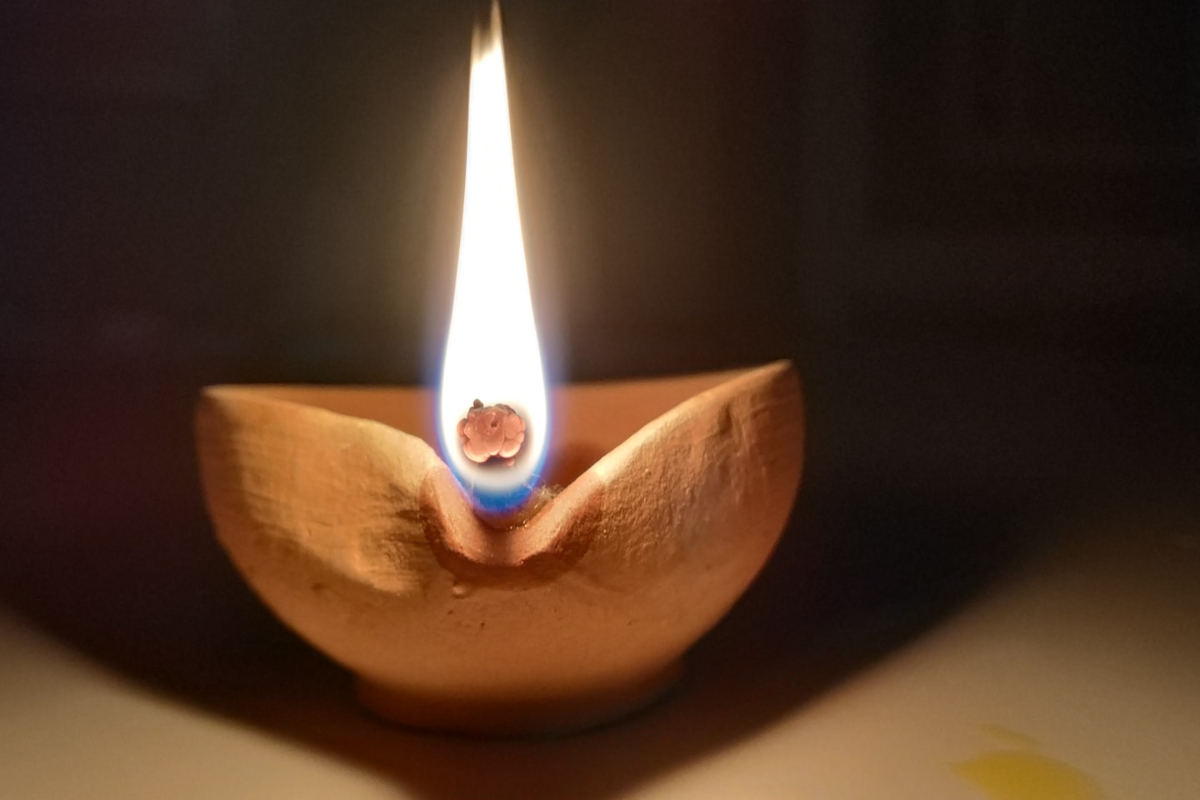
A primitive oil lamp burning in the dark
Trial and error and the need for dependable visibility drove the centuries-long transition from bonfires to sophisticated lighthouse illumination. In essence, early keepers were technicians and chemists who had to adjust to whatever fuel was available in their area. They were not merely watchmen.
For a very long time, the British and Americans were at the forefront of spermaceti. The gold standard was this waxy oil from the sperm whale’s head cavity. It burnt with a bright, clean flame, was very steady, and—most importantly for a keeper—produced very little soot. As a result, the glass lantern room remained clear for a longer period of time and needed less urgent cleaning. Blubber oil was also used, but spermaceti was more desirable and of better quality for those who could afford it.
The French took a different route in Europe. They did not have the same access to whaling fleets, so they turned to their fields and used colza oil, which is derived from rapeseed. It was a practical, sustainable choice and cheaper to make in the country. But it was a good deal thicker than whale oil. It had a habit of choking the lamps and making them burn less brightly, so the keeper had to spend a good deal more time trimming wicks and adjusting the flame to keep the light steady.
This regional adaptation was typical everywhere. Early station records from Cape Agulhas and Mouille Point in South Africa indicate that the keepers used the fat of the local fat-tailed sheep. It was plentiful and dependable for Cape-specific needs, if infamously stinky. Elsewhere in the far reaches of the world, communities made do with what they had, including fish and seal oils. These were cheap but notoriously smoky and stinky, the keeper often having to battle soot build-up hour after hour so the light could actually be seen. Lard oil, derived from pigs or cattle, was also popular by the mid-19th century in North America, where it worked well with the increasingly complicated lens systems of the time.
The real change in effectiveness came not just from the fuel, but from the lamps themselves. All that changed in 1782 with the invention of the Argand lamp. Its tubular wick design allowed for better airflow to the flame, which meant the lamps could burn even the thicker, cheaper oils much more efficiently. Later, when these improved lamps were combined with Fresnel lenses, even the modest, low-grade oils could produce a beam of impressive range.
By the late 1800s, paraffin began to dominate. It was cheaper and more consistent than any of the traditional oils, and it finally gave way to the gas and electric systems we see today. This was the age of the oil-tending lighthouse keeper, when the properties of the particular fuel in the lamp were central to the issue. It was a constant, hands-on struggle to overcome the dark with the materials at hand.