Cape Town’s Historic Lighthouses, Privately Guided
Guiding Lights:
How Far Can a Lighthouse Light Reach
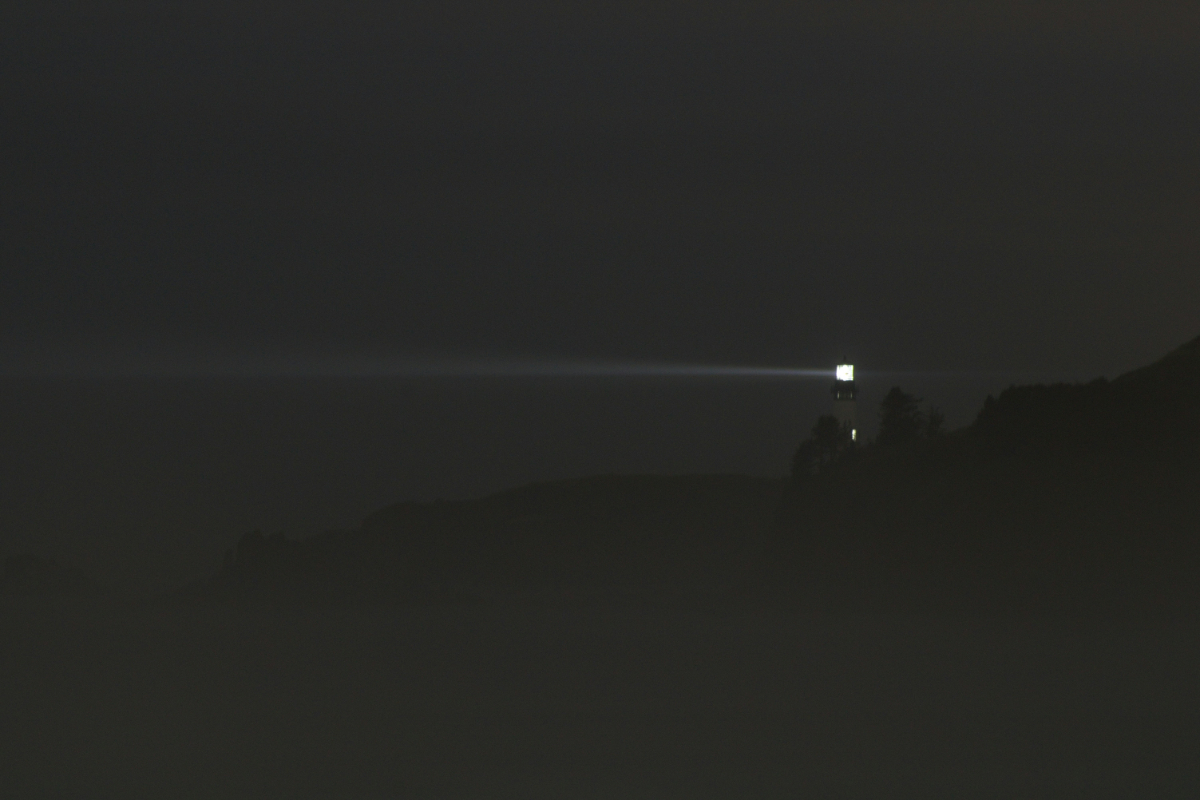
The beam of a lighthouse can reach many nautical miles across the dark ocean
If you’ve ever driven those winding coastal roads around the Cape Peninsula, you’ve probably spotted them — those sturdy, striped or bright white towers standing guard against the sea. These lighthouses aren’t just pretty landmarks for your holiday photos. They’re clever, hardworking characters with personalities shaped by our tricky, unpredictable Cape weather.
To really understand why they look the way they do, you have to look past the beautiful architecture and think about the science of the beam. It comes down to three key measurements. There’s the structure height — simply the tower itself, from the ground to the lantern room. Then there’s the elevation — how high the hill or rock it sits on rises above sea level. But the real star is the focal plane — the exact height of the powerful lens above the high-water mark. That’s the number that decides how far the light can reach over the curve of the Earth. Sailors have a wonderfully simple rule of thumb: the higher the light, the farther it can be seen. But as our local lighthouses show so clearly, higher isn’t always smarter.
Take Cape Point, the superstar everyone wants to visit. Back in 1860, they built the original lighthouse right up on the peak. The tower itself is only about 9 metres tall, but perched on that dramatic cliff, its focal plane sat at a massive 260 metres above the sea. They thought “the higher the better,” but Mother Nature had other plans. Thick, low-lying clouds and heavy fog often swallowed the light completely, making it invisible to ships. The tragic wreck of the Lusitania on Bellows Rock in 1911 finally forced everyone to rethink things. Today’s working lighthouse sits much lower, at about 87 metres above sea level. It uses the same compact tower, but now the powerful beam can slip under the clouds and warn ships in good time. It’s a perfect example of why sometimes you need to come down to earth to be seen properly.
Then there’s the classic beach-strider, Slangkop Lighthouse near Kommetjie. This graceful white cast-iron tower is the tallest of its kind on the South African coast at 33 metres. It doesn’t sit on a big hill — it stands practically on the rocks near the shoreline. Because of that, its focal plane is around 41 metres above the waves. That tall tower earns every metre of its height, flashing its warning to keep ships off the jagged rocky shore.
Over on Robben Island, you’ll find a perfect hill-sitter. The tower is a modest 18 metres high, but because it stands on the high ground of Minto Hill, the light reaches 47 metres above sea level. The hill does most of the heavy lifting, and that reliable beam has been guiding ships safely since the 1860s.
Even our oldest, Green Point Lighthouse (watching over Table Bay since 1824), plays the game well. Its square, striped tower rises about 16 metres, with the light sitting roughly 20–25 metres above the sea — just right for welcoming ships into the bay.
You might think the brighter the flame, the better, but the horizon always gets in the way first. The real range depends on the height of the light and the height of the person on the other side, watching from the ship’s bridge. For example, a ship with its bridge 10 metres above the water can spot the Robben Island light from about 38 kilometres away. The light itself becomes visible from roughly 26 kilometres (thanks to its 47-metre focal plane), and the extra height of the observer adds another 12 kilometres or so. That’s why captains on taller vessels often spot these beacons earlier.
Next time you’re out exploring the coast, take a moment to look past the picturesque towers. Whether they’re perched high on a rugged cliff or standing watch down on the beach, their position is rarely accidental. Every lighthouse is a smart response to the specific geography and the moods of the Atlantic — carefully balanced to guide ships away from our dangerous reefs. They are more than just landmarks. They’re enduring pieces of maritime history that still quietly watch over our beautiful but challenging coastline. Keep an eye on the horizon, enjoy your next trip to the coast, and safe travels!